Stroke and Thrombosis

The Clot Thickens

Enhanced Integration of Stroke and Thrombosis Training

  • 01Stroke
  • 02Vascular Medicine
  • 03Thrombosis
About

This site is dedicated to fostering close collaboration between the disciplines of Stroke and Thrombosis.

Centers with expertise in Stroke and Vascular Medicine naturally care for patients with stroke and thrombotic complications. At times, there are overlapping diagnostic and treatment considerations. Other times, there is a unifying disorder or pathophysiology that naturally brings these disciplines together. In dedicated thrombosis fellowship programs we advocate for cross pollination and training by joining the stroke service for elective time. Similarly, trainees engaged in a stroke fellowship may benefit from enhanced learning and collaboration by spending some elective time on a thrombosis service. In many centers across the United States and other parts of the world there are existing Vascular Medicine programs and there is potential added value to bringing these individual programs and Stroke training together for maximal synergy and collaboration.

Herein, we provide a reference list for background reading in addition to a Podcast/audio episode on the topic of closer integration between Stroke and Thrombosis services, including how to leverage already existing expertise in Vascular Medicine. We hope that this introductory framework will kickstart the journey for closer collaboration between Stroke/Vascular Medicine/Thrombosis programs.

We hope you find this website and resources useful.

Cross pollination and training

Elective time across services
01
Thrombosis fellows Stroke service

In dedicated thrombosis fellowship programs, trainees join the stroke service for elective time.

02
Stroke fellows Thrombosis service

Enhanced learning and collaboration by spending some elective time on a thrombosis service.

03
Vascular Medicine Stroke training

Bringing existing Vascular Medicine programs and Stroke training together for maximal synergy and collaboration.

Reading list

Thrombosis and Stroke Resources

Supplementary Reference List: 30 papers and guidelines across eight topics, each linked to its DOI and PubMed record.

Open the reference list
Podcast episode

How to implement close collaborations between thrombosis and stroke services

An audio episode on closer integration between Stroke and Thrombosis services, including how to leverage already existing expertise in Vascular Medicine.

Featuring Stephanie Carlin and Houman Khosravani

People

Contributors

Portrait of Stephanie Carlin

Stephanie Carlin

Critical care pharmacist, Hamilton Health Sciences

Stephanie Carlin is a critical care pharmacist at Hamilton Health Sciences. She recently completed an advanced practice pharmacy residency in thrombosis at Sunnybrook Health Sciences. Dr. Carlin is an active student and resident preceptor. Her research interests include optimization of antithrombotic use in clinical practice.

Dr. Carlin has been an active member of Ontario's Science Table during the COVID19 pandemic and sits on the Drugs & Biologics Clinical Practice Guidelines Working Group.

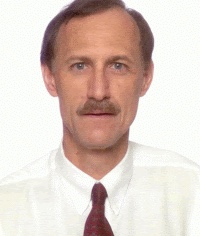
Portrait of Dr. Geerts

Dr. Geerts

Clinical research in thromboembolism

Over the past 25 years, Dr. Geerts has developed and participated in clinical research in all aspects of thromboembolism, including epidemiology, diagnosis, treatment and prevention. His primary interest has been in the prevention of venous thromboembolism (VTE) in high-risk patients, especially following trauma. He has performed the most comprehensive, prospective study of the risks of venous thromboembolism in trauma patients and found that they are the highest-risk group for thromboembolism in hospitals.

Subsequently, Dr. Geerts and his group conducted the first large randomized controlled trial of thromboprophylaxis in major trauma patients, by comparing subcutaneous low-dose heparin with low molecular weight heparin in a double-blinded manner. This study demonstrated that the early use of low molecular weight heparin is more efficacious than low-dose heparin in trauma patients without increasing bleeding.

His research interests extend to the implementation of knowledge about thromboembolism into clinical practice.

Portrait of Houman Khosravani

Houman Khosravani

Division of Neurology, University of Toronto

Houman Khosravani is appointed as a clinician in quality & innovation and assistant professor of medicine, in the division of neurology, department of medicine, University of Toronto. His interests are quality improvement at different levels of care relevant to hyper-acute stroke management and inpatient stroke services. At the level of hyperacute stroke care, his focus is on improvement of door-to-needle times for thrombolysis. He is also working on understanding and improving factors that are relevant to a successful thrombectomy program in a comprehensive stroke center.

He is medical director of the inpatient stroke unit, and interested in development of stroke pathways, the overlap between internal medicine and inpatient stroke neurology, and development of a framework for excellence in comprehensive neurovascular care. Dr. Khosravani is an active member of Thrombosis Canada and interested in the implementation of stroke-best practices in the area of antithrombotics and anticoagulation.

Get in touch

Contact Us

If you are interested in collaborating, discussing how to better integrate stroke and thrombosis together, reach out to us at: